



By Richard Alexander Ibarra, Editor in Chief.
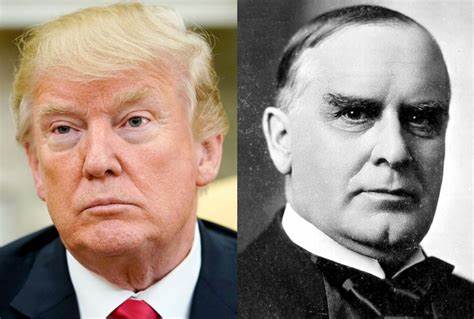
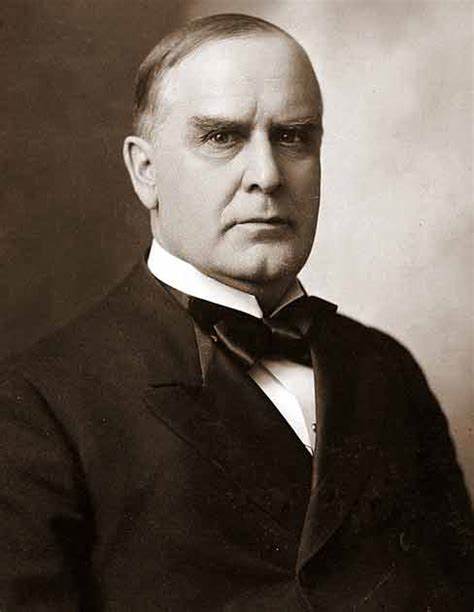
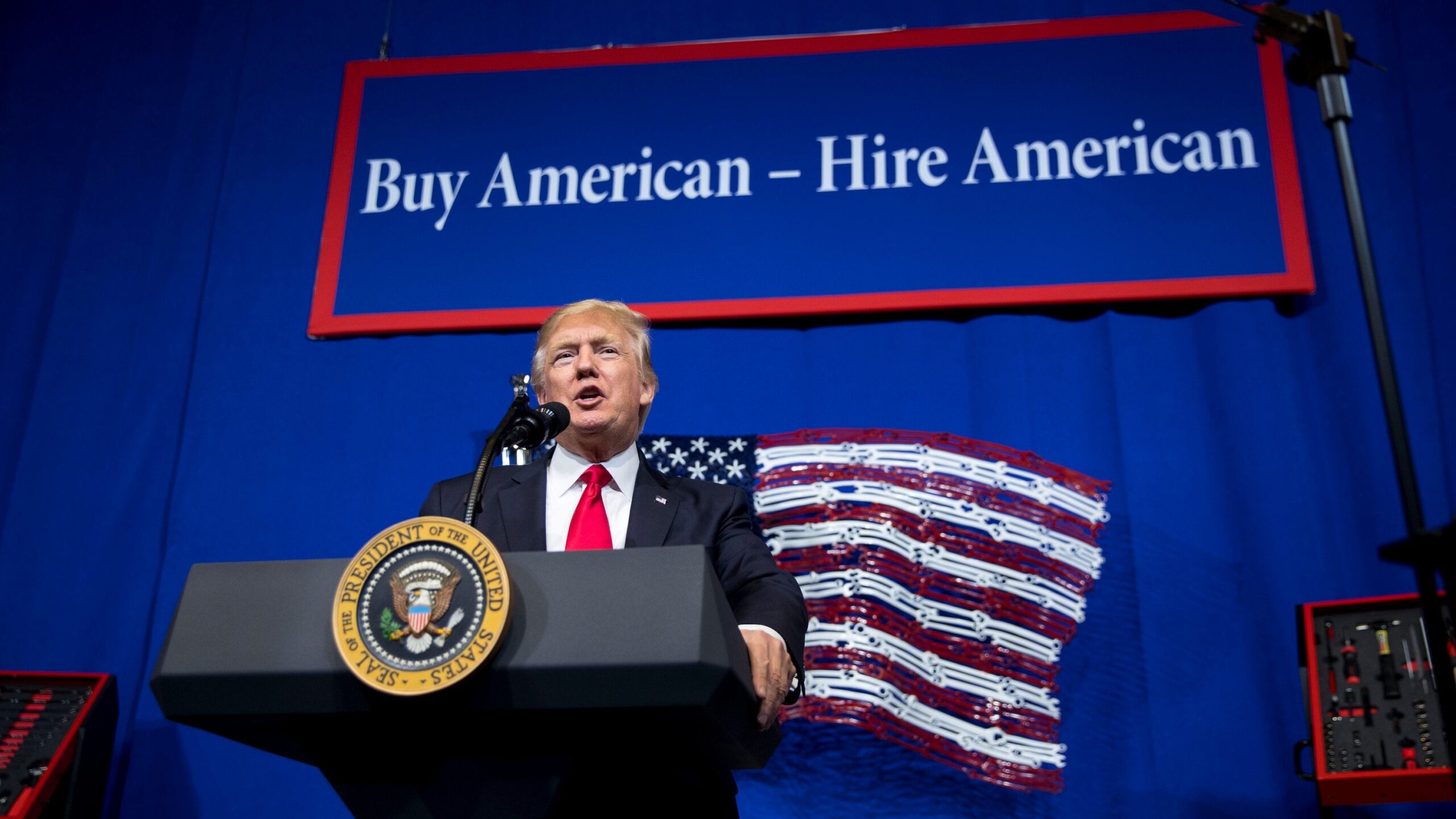
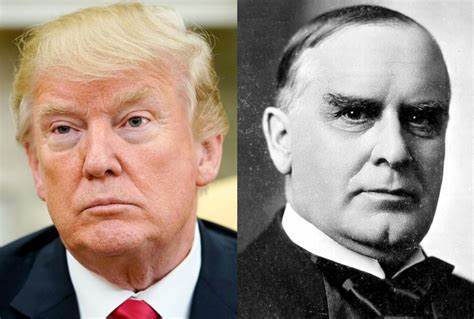
History has a way of rhyming. Just over a century ago, President William McKinley stood at the helm of American politics, championing protective tariffs, battling global economic forces, and ultimately falling to an assassin’s bullet. Today, President Donald Trump strides across the political stage, waging war against the same entrenched interests, reviving McKinley’s trade philosophies, and even surviving his own brush with an assassin’s aim. Coincidence? Maybe. But the parallels between these two presidents are as striking as they are unsettling.
The Tariff Titans: McKinley and Trump
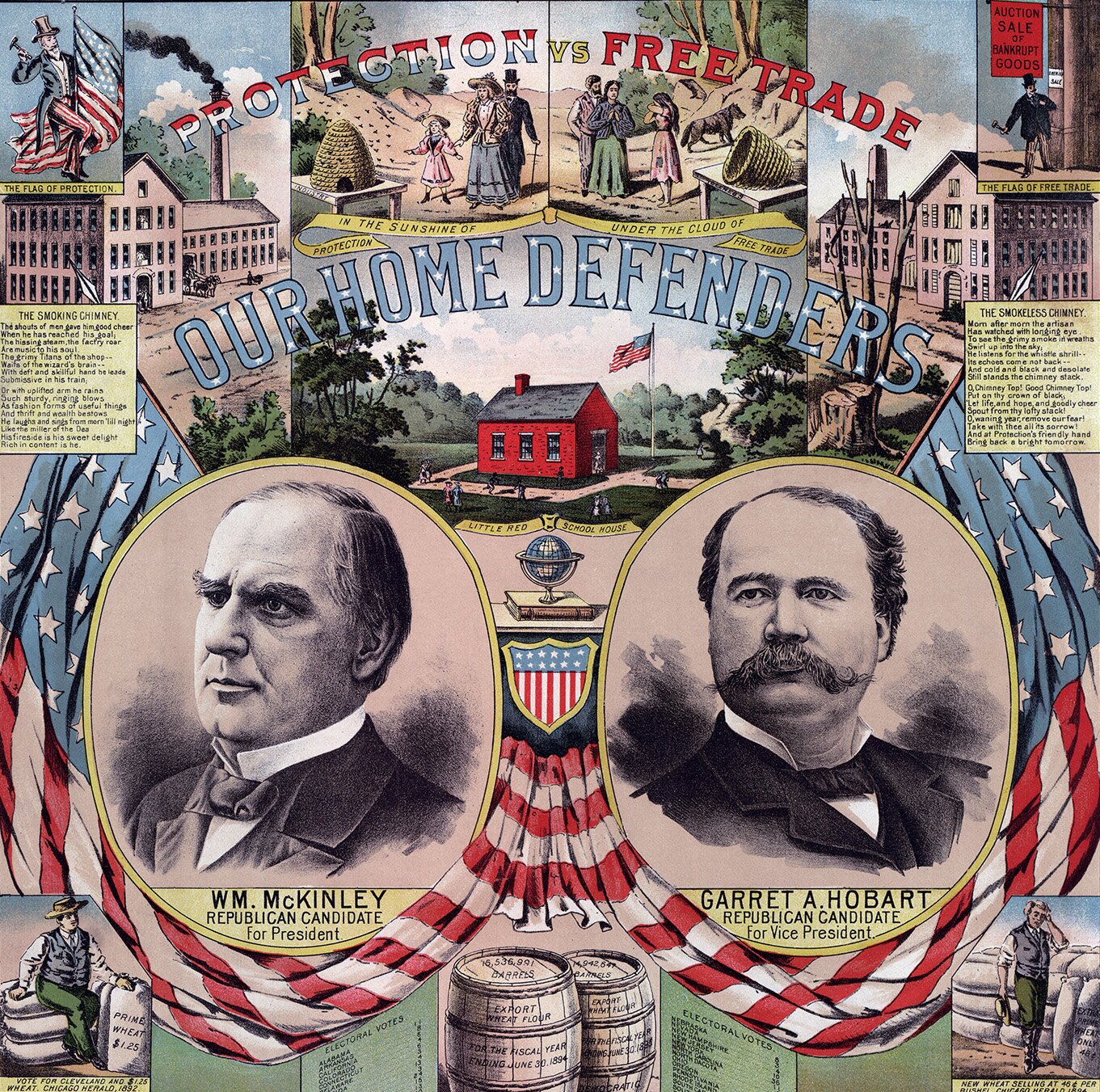
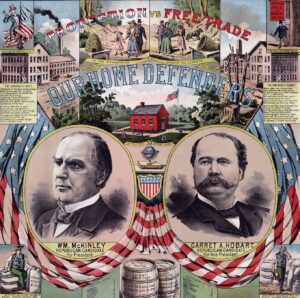
William McKinley was the maestro of economic nationalism in his time, advocating for high tariffs to shield American industries from foreign competition. The McKinley Tariff of 1890 and later the Dingley Tariff of 1897 were among the most protectionist trade policies in U.S. history, designed to fund the government, grow domestic businesses, and protect American jobs—all without the need for income taxes, which were still a radical idea at the time.
Fast forward to Donald Trump, a political maverick who also sees tariffs as both a weapon and a shield. His “America First” economic policies have leaned heavily on tariffs to reduce dependence on foreign manufacturing, curb trade deficits, and bring jobs back to American soil. Like McKinley, Trump rejects the gospel of international free trade agreements that prioritize multinational corporations over national sovereignty. Both presidents view tariffs not as a burden, but as a strategic advantage, a bargaining chip in the high-stakes game of global economics.

Reciprocal Trade vs. The Globalist Free-Trade Order
McKinley was not just about slamming tariffs on imports; he was a believer in reciprocal trade—the idea that trade agreements should be fair, balanced, and mutually beneficial. He advocated for tariff reductions only when foreign nations lowered their own trade barriers for American goods. His approach wasn’t about economic isolation—it was about strength through leverage.
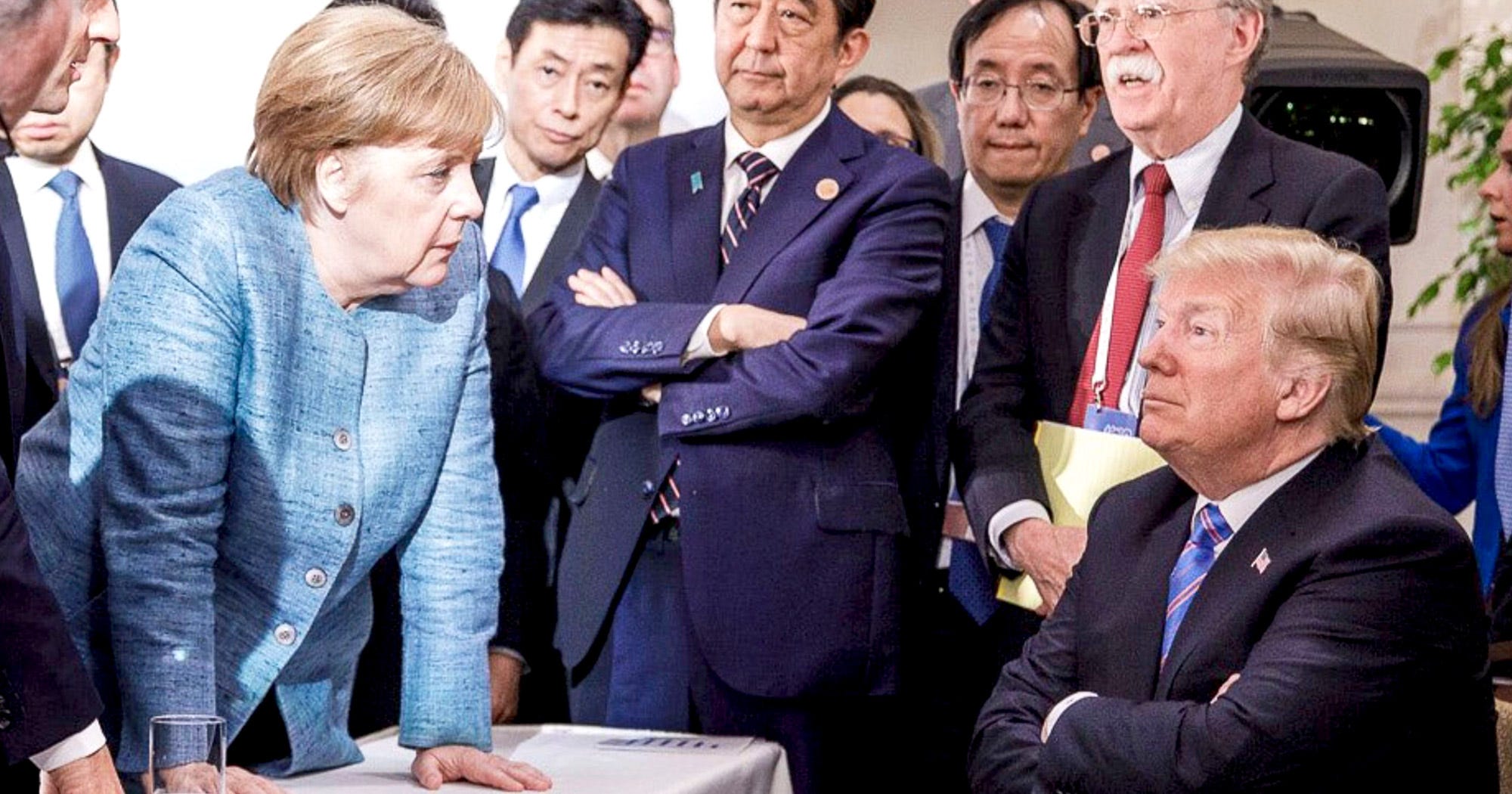
Trump, ever the dealmaker, echoes this philosophy with his emphasis on reciprocal tariffs. His administration aggressively pursued trade renegotiations, slapping tariffs on China, the European Union, and other nations that he accused of exploiting weak U.S. trade policies. NAFTA was replaced with the USMCA, and Trump imposed tariffs on steel and aluminum to revive American manufacturing. The message? America will not be taken for a ride by international institutions prioritizing a “rules-based order” over the interests of its own citizens.
Globalists in the World Trade Organization (WTO), the International Monetary Fund (IMF), and the corporate-backed political elite have predictably decried these policies, arguing that tariffs disrupt global trade and harm economic efficiency. But Trump, like McKinley before him, sees these institutions as obstacles to American prosperity, enforcing an economic order that favors foreign competitors and multinational interests over the American worker.
Enemies of the Order: The Risks of Defying Global Trade Elites
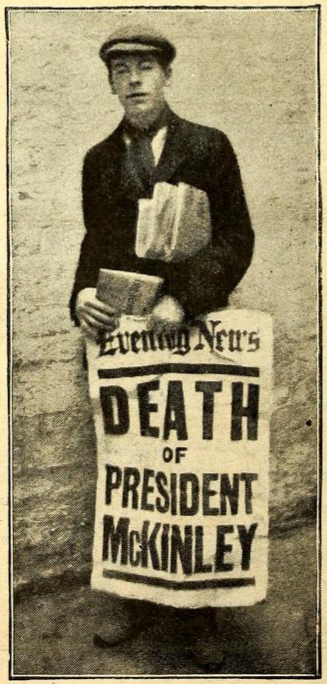
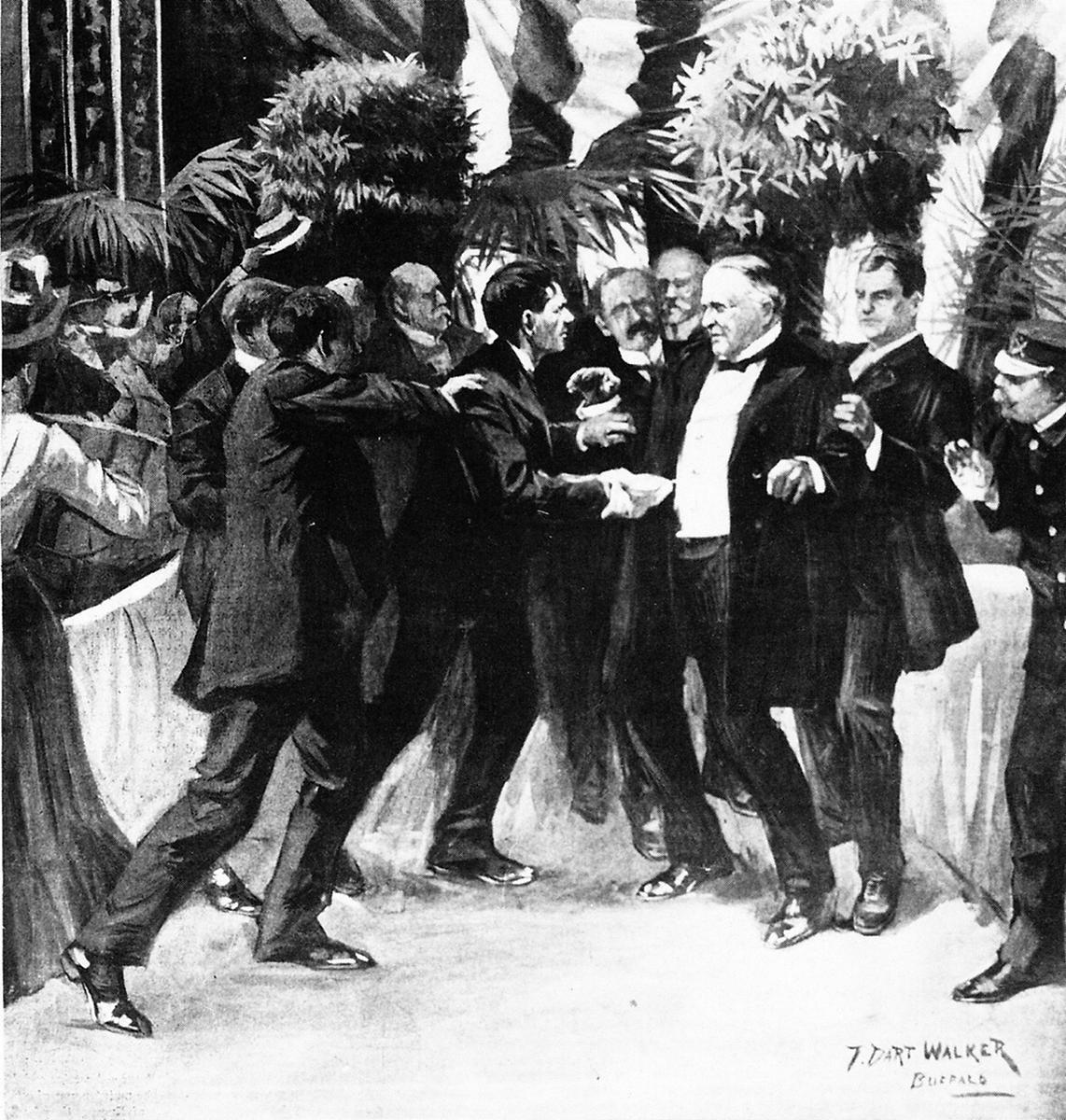
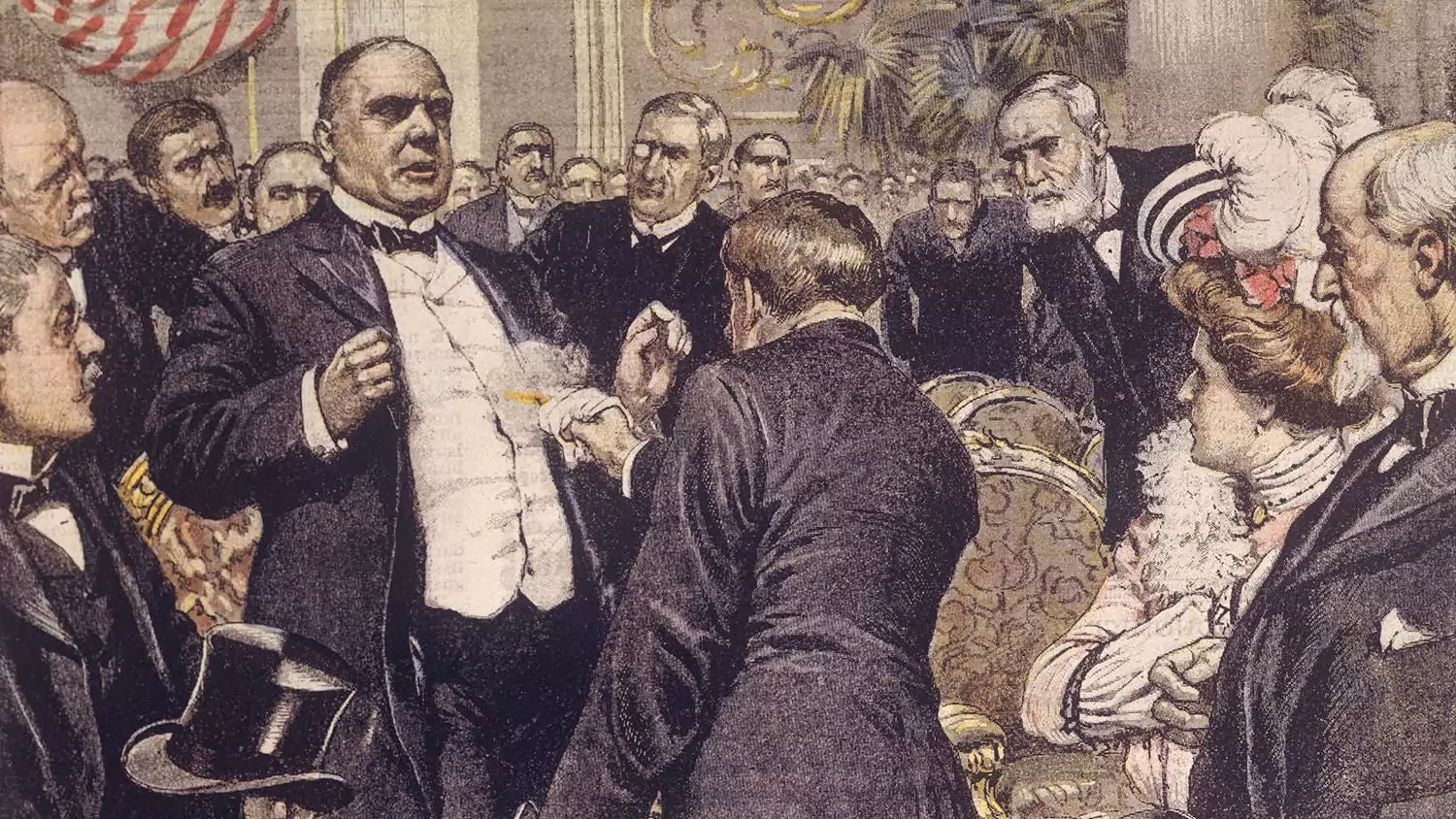
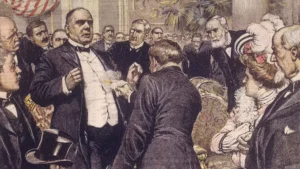
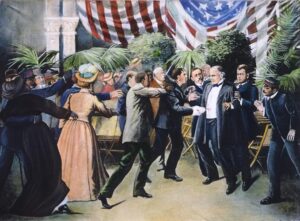
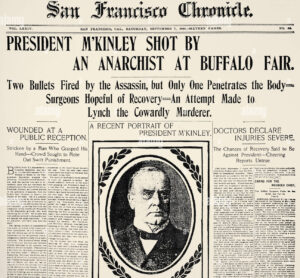
When a leader shakes the foundations of global power, enemies emerge from the shadows. McKinley’s tariff policies enraged powerful industrialists and foreign economic powers who had profited handsomely from America’s open markets. His assassination in 1901 by anarchist Leon Czolgosz, a self-proclaimed enemy of government and capitalism, was widely seen as a blow to the protectionist movement McKinley championed.
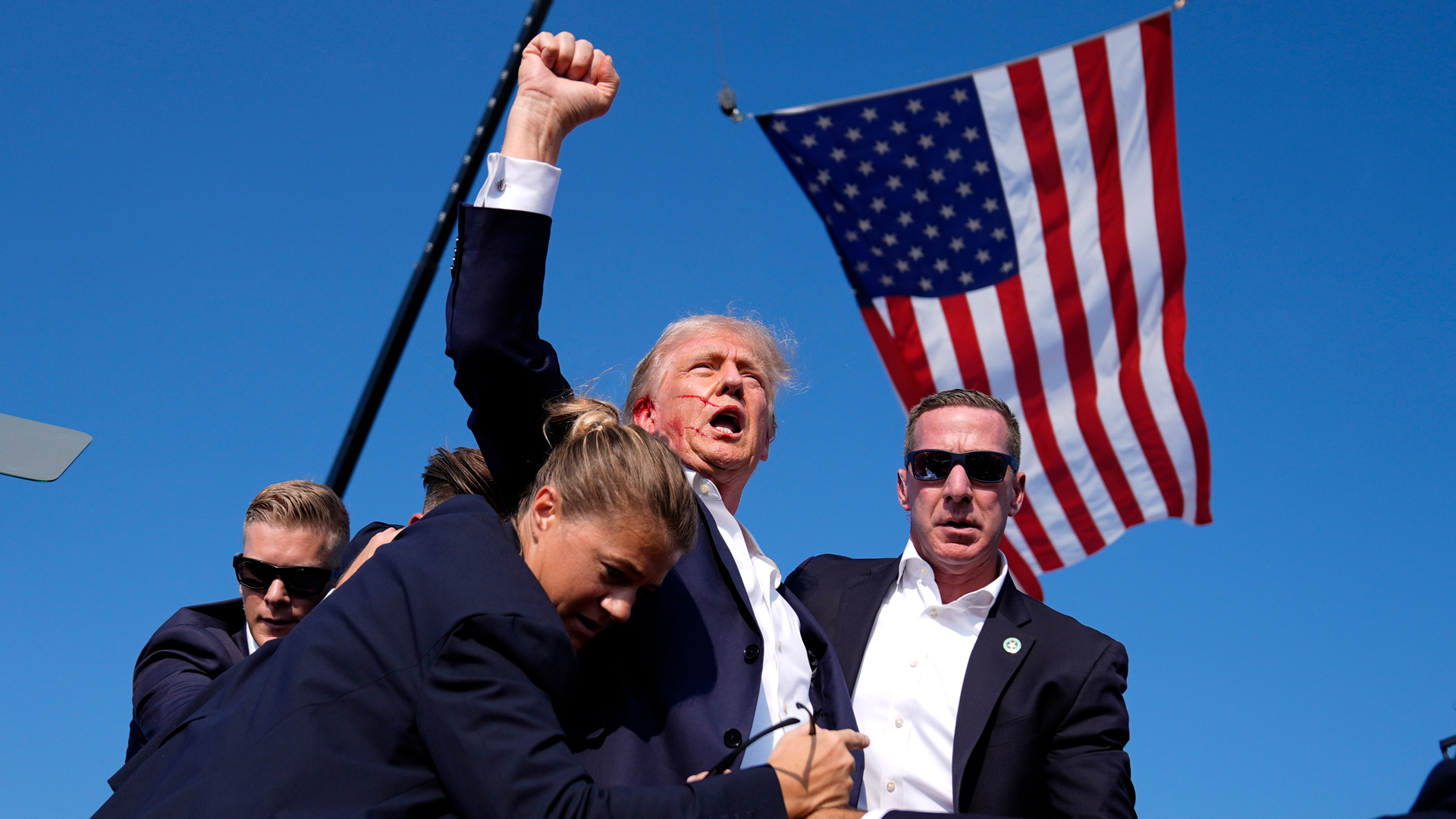
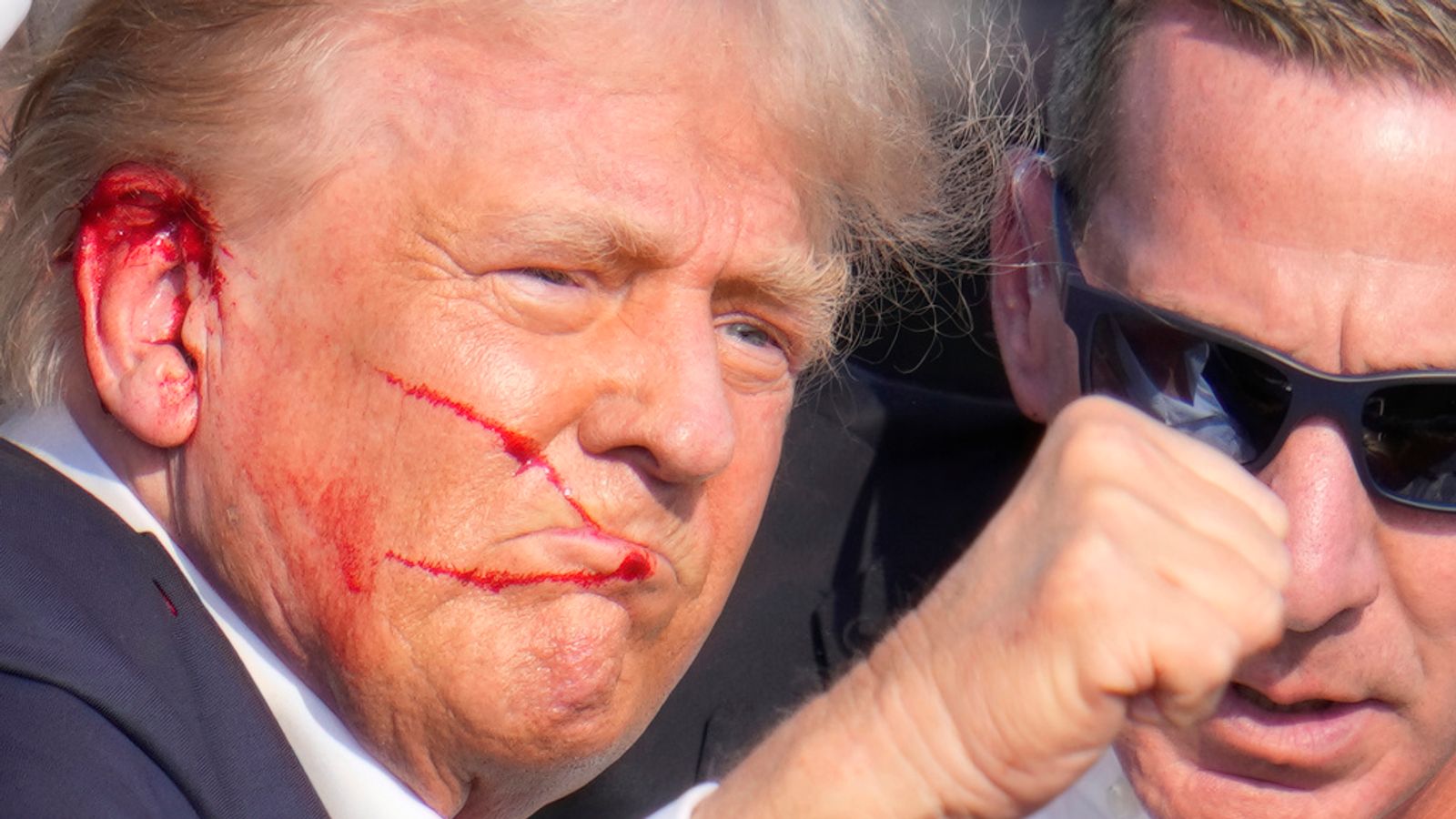
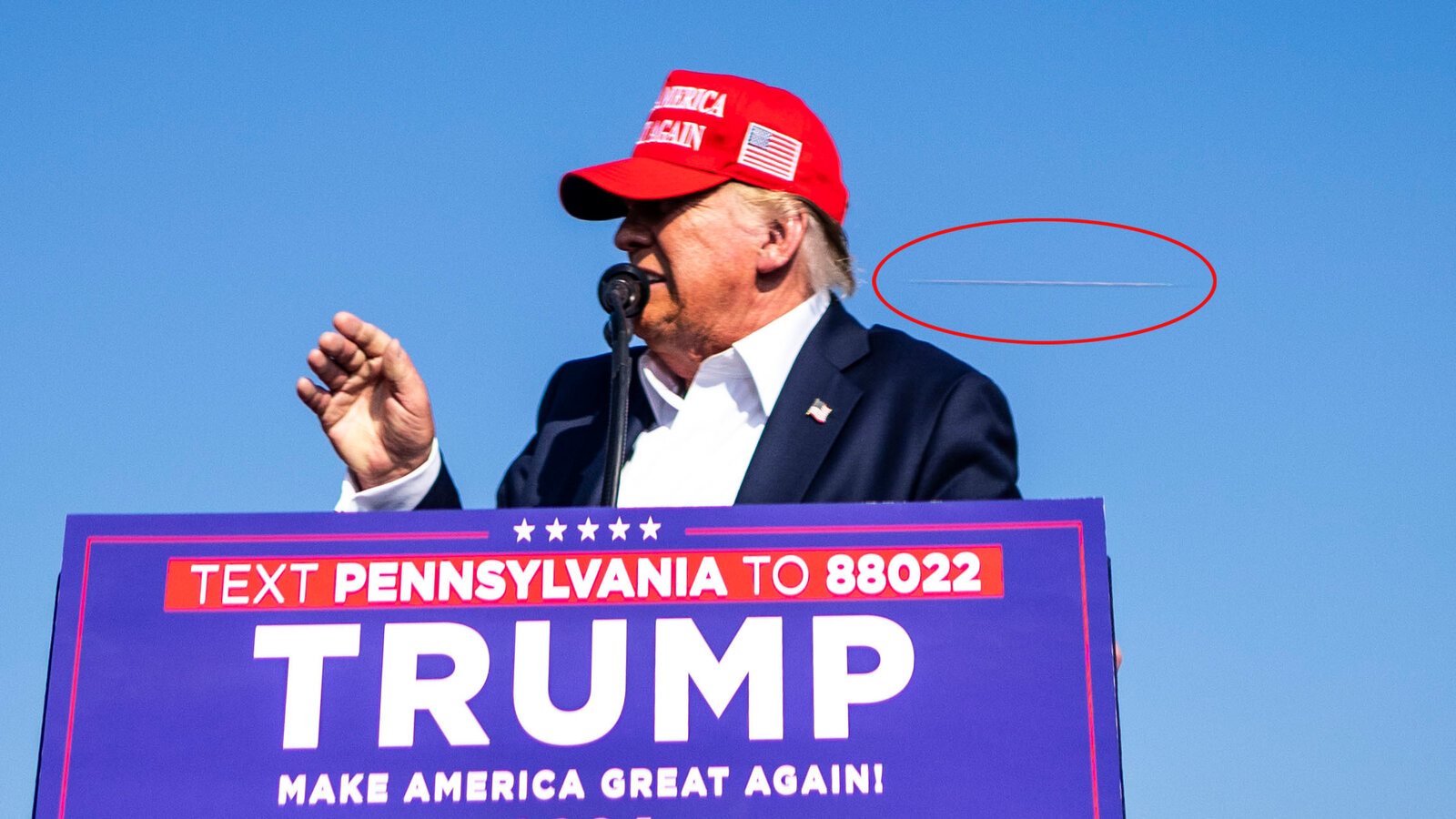
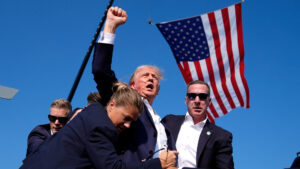
Fast forward to recent President election of 2024, and Trump finds himself in eerily similar circumstances. In July, during a rally in Butler, Pennsylvania, an assassin’s bullet grazed his ear, a chilling near-miss that could have rewritten history. Trump, like McKinley, has angered powerful interests, from multinational corporations to foreign adversaries and deep-rooted political elites. His trade policies—his tariffs, his economic nationalism, his America First doctrine—represent an existential threat to those who have built their fortunes on the unrestricted flow of cheap foreign labor, deregulated global supply chains, and sweetheart trade deals.
The Courage to Challenge the System
In the end, economic nationalism takes courage. McKinley knew it. Trump knows it. The forces aligned against tariff-driven policies are wealthy, powerful, and deeply entrenched in international institutions. They wield influence over the media, academia, and global finance, ensuring that any leader who dares to challenge the status quo faces relentless opposition.
Yet, the resurgence of protectionism is not just a Trump phenomenon—it is a global trend. Countries around the world, from India to China to Brazil, are reevaluating their positions on trade, reasserting national control over critical industries, and placing domestic economic security above globalist ideals. The world is shifting, and the battle lines between nationalist economic policies and free-trade absolutism are hardening.
A New McKinley Era?
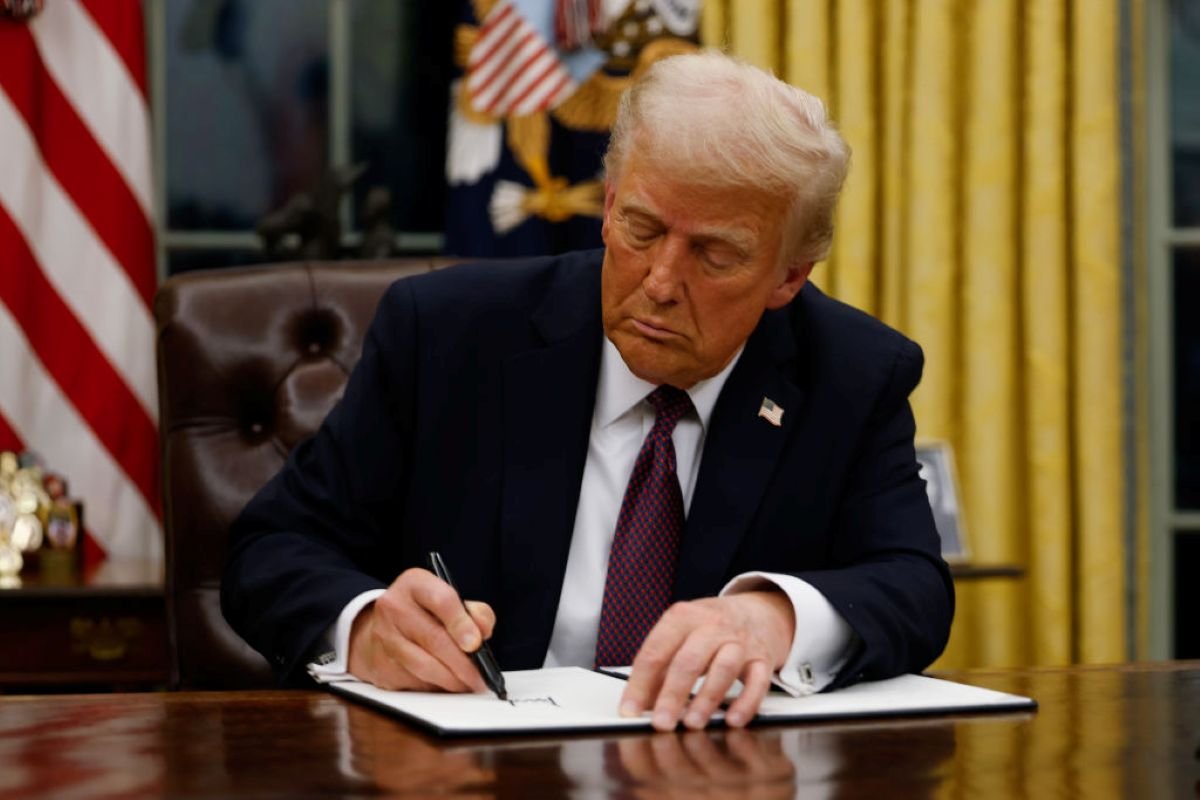
Trump has made no secret of his admiration for McKinley, and in many ways, his second term could cement a return to McKinley-style economics—tariff-funded government, reciprocal trade agreements, and a rejection of globalist control over American commerce. His proposal to eliminate income taxes and rely on tariffs to fund the government is a direct callback to McKinley’s pre-1913 America, before the federal income tax became law.
If the McKinley era ended with an assassin’s bullet and a shift toward globalist policies under Theodore Roosevelt and Woodrow Wilson, could a Trump resurgence mark the beginning of a new era of economic nationalism? If nothing else, one thing is clear: Trump is not backing down. The ghosts of history are stirring, and America may once again be on the verge of a trade revolution.




Hi, this is a comment.
To get started with moderating, editing, and deleting comments, please visit the Comments screen in the dashboard.