The Demise of Chevron Deference: A Landmark Supreme Court RulingThe Future Of Possible

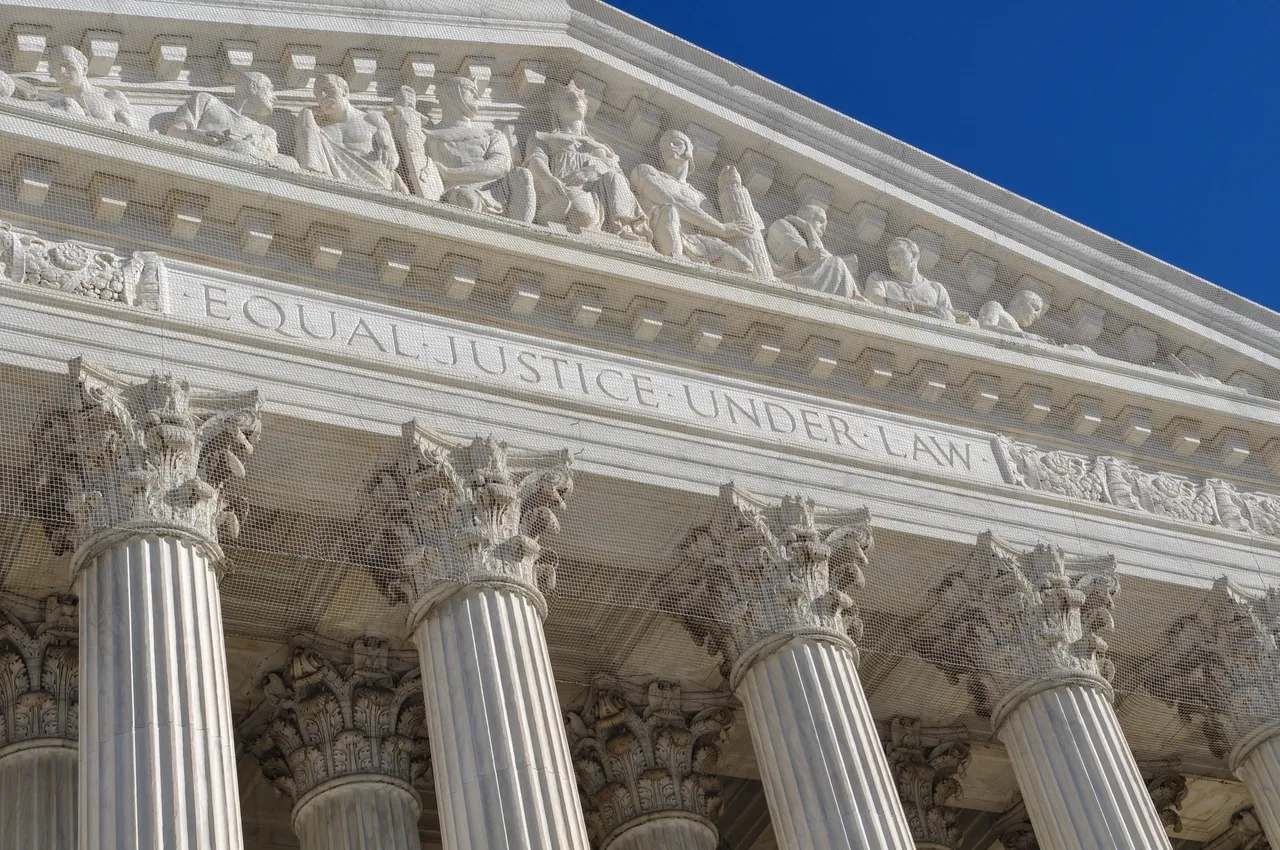
Understanding the recent Supreme Court decision to overturn Chevron deference requires a brief review of the U.S. government’s structure. Established by the Constitution, the government consists of three branches: Executive, Legislative, and Judicial, each with distinct powers and checks and balances. Chevron deference, originating from the 1984 case Chevron U.S.A., Inc. v. Natural Resources Defense Council, Inc., disrupted this balance by allowing federal agencies significant leeway in interpreting ambiguous statutes.
Chevron Deference Explained: Chevron deference involved a two-step process:
- Step One: Courts determined if a statute was clear and applied it as written.
- Step Two: If ambiguous, courts deferred to the agency’s reasonable interpretation.
This framework was intended to leverage agencies’ expertise, especially in complex areas like environmental regulation. Agencies could efficiently address technical issues, reducing judicial intervention and promoting consistent law interpretation across different administrations.
The Downside: While well-intentioned, Chevron deference allowed agencies to effectively “write” laws, a power constitutionally reserved for Congress. This led to intentionally ambiguous statutes, giving agencies excessive interpretative power. The “revolving door” phenomenon—where individuals move between the private sector and government agencies—exacerbated the issue. Agencies often became tools for industries they were supposed to regulate, leading to crises like the 2008 financial collapse and COVID-19 mismanagement.
Implications of Overturning Chevron: Overturning Chevron deference is seen as a necessary step to restore constitutional balance and curb the influence of an unelected “fourth branch” of government. The ruling aims to:
- Enhance Judicial Review: Courts will no longer automatically defer to agency interpretations.
- Reduce Agency Power: Agencies will face stricter scrutiny in their regulatory actions.
- Demand Legislative Clarity: Congress will need to draft clearer, more precise statutes.
While some fear immediate disruptions, we expect that the long-term effect of overturning Chevron deference will promote transparency and accountability. This shift requires agencies to operate under closer judicial oversight, compelling Congress to fulfill its legislative duties more rigorously. Ultimately, this decision aims to ensure that laws reflect the will of the people, not the interests of powerful industries.
The Supreme Court’s ruling marks a significant shift, potentially leading to increased litigation and calls for more explicit legislative guidance, realigning the power structure within the U.S. government.





Hi, this is a comment.
To get started with moderating, editing, and deleting comments, please visit the Comments screen in the dashboard.